Summary
What this review covers
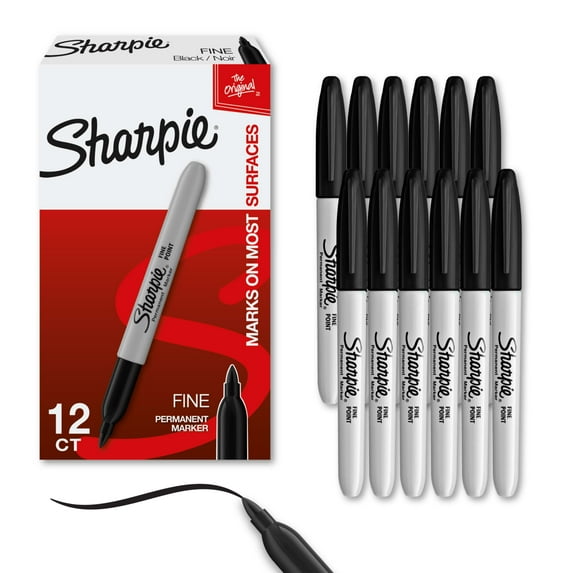
This review focuses on the marker count, black fine-tip writing, permanent ink behavior, and fit for labeling garden storage supplies.
Pros
The upside
- Black ink reads clearly on freezer tape, pantry tags, paper bags, cardboard, and many plastic surfaces.
- The fine tip keeps dates and crop names tidy on small labels.
- The 12-count pack lets markers live near the kitchen, pantry, potting bench, and seed shelf.
Cons
The tradeoffs
- Permanent ink can bleed through thin paper and leaves lasting marks on porous surfaces.
- Caps need to click back on after use so the tips stay ready.
Who it is for
Fit and feel
What to know:
Permanent ink needs care around porous surfaces, fabric, finished wood, and thin paper. The caps also matter; a firm click after use helps the tips stay ready for the next round of labels.
Where to check it
Check Sharpie Permanent Markers Fine Tip Black 12 Count
Open the current merchant listing if the buyer fit and tradeoffs still line up.
- Amazon opens the Sharpie Permanent Markers Fine Tip Black 12 Count product page.
Breakdown
Full review
Clear writing matters once jars and bags start stacking up
Sharpie Permanent Markers in black give garden storage labels a dark, readable line. Dates, crop names, seed notes, and pantry reminders stay easy to spot on tape, cardboard, paper bags, tags, and many plastic surfaces.
The fine tip keeps notes controlled
Small labels do not leave much room for handwriting. The fine tip helps short notes stay tidy on freezer tape, jar tops, storage bags, bin labels, and seed envelopes.
A full pack keeps markers close to the work
The 12-count pack makes sense in a garden home because labeling happens in several places. One marker can stay near the freezer, one near the pantry, one near the potting bench, and one near the seed shelf.
Where it fits
These markers fit gardeners who label freezer portions, pantry jars, seed packets, drying racks, storage bins, and harvest containers through the season.
What to know
Permanent ink needs care around porous surfaces, fabric, finished wood, and thin paper. The caps also matter; a firm click after use helps the tips stay ready for the next round of labels.