Summary
What this review covers
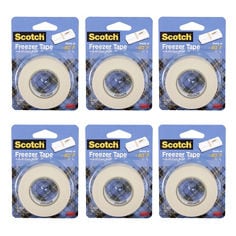
This review focuses on the tape's writable surface, roll size, low-temperature adhesive, and fit for labeling garden portions in freezer storage.
Pros
The upside
- The writable surface gives dates and contents a clear place on bags, foil, wrap, and containers.
- The low-temperature adhesive is made for freezer shelves and cold storage.
- The narrow roll can be cut into short labels for jars, trays, and wrapped portions.
Cons
The tradeoffs
- The tape needs a dry surface for a clean first bond.
- Long notes can feel cramped on a 3/4-inch strip.
Who it is for
Fit and feel
What to know:
Dry surfaces help the tape press down cleanly. Condensation, frost, and damp fingers can weaken the first bond, so labeling before the container gets cold is the smoother routine.
Where to check it
Check Scotch Freezer Tape 178
Open the current merchant listing if the buyer fit and tradeoffs still line up.
- Amazon opens the Scotch Freezer Tape 178 product page.
Breakdown
Full review
A small label keeps freezer portions readable
Scotch Freezer Tape 178 gives garden portions a simple place for a crop name, prep date, and short note. A strip can go on freezer bags, foil packets, wrapped herbs, sauce containers, and storage bins before they head into cold storage.
The adhesive is made for cold shelves
3M describes this tape as a low-temperature adhesive that holds up to -40 F. That makes it useful for frozen tomato sauce, blanched greens, berries, broth scraps, sliced peppers, and herb portions that need a readable label later.
The narrow roll suits short notes
The 3/4-inch width keeps labels tidy on bags and containers. Short notes work well here: crop name, date, and one prep detail are usually enough to keep freezer food easy to identify.
Where it fits
This tape fits gardeners who freeze harvest portions in bags, wrapped bundles, jars, tubs, and trays and want a quick labeling step before the freezer fills up.
What to know
Dry surfaces help the tape press down cleanly. Condensation, frost, and damp fingers can weaken the first bond, so labeling before the container gets cold is the smoother routine.