What this review covers
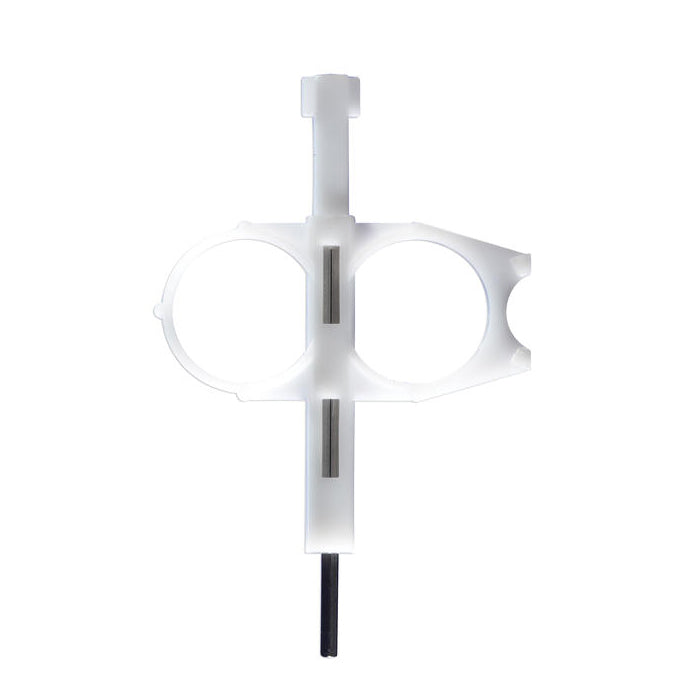
This review looks at the Hunter PGP Adjustment Tool, its rotor adjustment role, finger-loop shape, service storage, and station-note use for compatible Hunter rotor zones.
Shop Hunter PGP Adjustment Tool
Use the product link below when you want to compare current pricing or availability.
- Amazon opens the Hunter PGP Adjustment Tool product page.
The good
- The finger-loop shape is easy to identify in a sprinkler parts bin.
- The tool supports compatible Hunter rotor arc, radius, and nozzle access checks.
- It stores neatly with PGP nozzle racks, station cards, and catch-cup notes.
The tradeoffs
- Rotor model and adjustment points should be identified before turning the tool.
- A clogged adjustment socket may need a gentle rinse and clean access before use.
A small key for Hunter rotor checks
The Hunter PGP Adjustment Tool is a compact white-handled key for compatible Hunter rotor service. It belongs with the parts that help a homeowner raise, adjust, and note a rotor station while the water pattern is visible.
The tool is easy to store because the finger-loop handle has a clear shape. It can live in a lidded parts case with nozzle racks, waterproof cards, flags, and a pencil.
Supports arc and radius notes
Rotor service works well when each change gets a short record. Name the station, mark the head, place the tool beside the nozzle rack, and make one visible adjustment while the sweep can be watched.
After the zone runs, write the checked edge, nozzle number, and any follow-up note. The tool has done its job when the next watering walk can understand what changed.
Useful with a clean head cap
Grass, grit, and water can make adjustment sockets hard to read. Clear the cap area before using the tool, then rinse gently if the socket is packed with debris.
This habit protects the service pass from guesswork. The tool, head cap, nozzle rack, and station note all stay tied to the same location.
Good match
Choose this tool for compatible Hunter PGP and rotor-family sprinkler checks where arc, radius, nozzle, and station notes need one easy-to-find adjustment key.
What to know
Confirm the rotor model, adjustment socket, head location, and station name before turning the key. Keep the tool dry after the route and store it with the Hunter nozzle racks it serves.