Summary
What this review covers
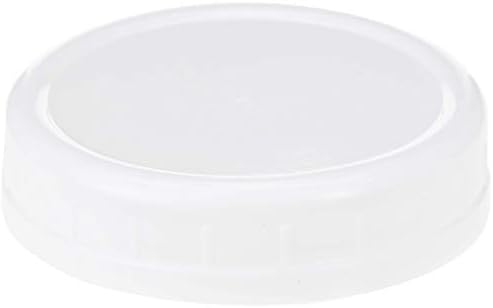
This review focuses on the regular-mouth fit, eight cap count, plastic storage design, and use with garden food jars.
Pros
The upside
- Eight caps support several regular-mouth jars across the refrigerator, pantry, and freezer shelf.
- Plastic caps make opened jars easy to close after sauce, jam, syrup, or herb storage.
- The regular-mouth fit pairs with small Ball jars already used for preserves and garden portions.
Cons
The tradeoffs
- These caps need compatible regular-mouth jars.
- Labels still belong on each jar so crop names and dates stay clear.
Who it is for
Fit and feel
Good match:
These caps fit gardeners who use regular-mouth jars for jams, syrups, herbs, small sauces, seed shelf portions, pickled vegetables, and dry pantry batches.
What to know:
Check jar mouth size before ordering. Keep caps in a small bin near labels and markers so jar work stays organized.
Where to check it
Check Ball Regular Mouth Jar Storage Caps Set of 8
Open the current merchant listing if the buyer fit and tradeoffs still line up.
- Amazon opens the Ball Regular Mouth Jar Storage Caps product page.
Breakdown
Full review
Reusable caps keep opened jars easy to return to
The Ball Regular Mouth Jar Storage Caps Set of 8 gives compatible jars a simple closure after the first preserving, prep, or pantry session is done. A jar of jam, syrup, chopped herbs, pickled onions, or dry beans can close cleanly and return to the shelf with its label facing forward.
Regular-mouth jars get a steady everyday lid
Regular-mouth jars are useful for small garden batches. These caps help those jars move through refrigerator storage, pantry storage, and short-hold kitchen use with a cap that is easy to twist on and off.
Labels keep the cap routine clear
Each jar still needs a crop name, date, and portion note. A small freezer label or strip of tape on the cap keeps the storage habit easy to read when several jars are lined up together.
Good match
These caps fit gardeners who use regular-mouth jars for jams, syrups, herbs, small sauces, seed shelf portions, pickled vegetables, and dry pantry batches.
What to know
Check jar mouth size before ordering. Keep caps in a small bin near labels and markers so jar work stays organized.