Summary
What this review covers
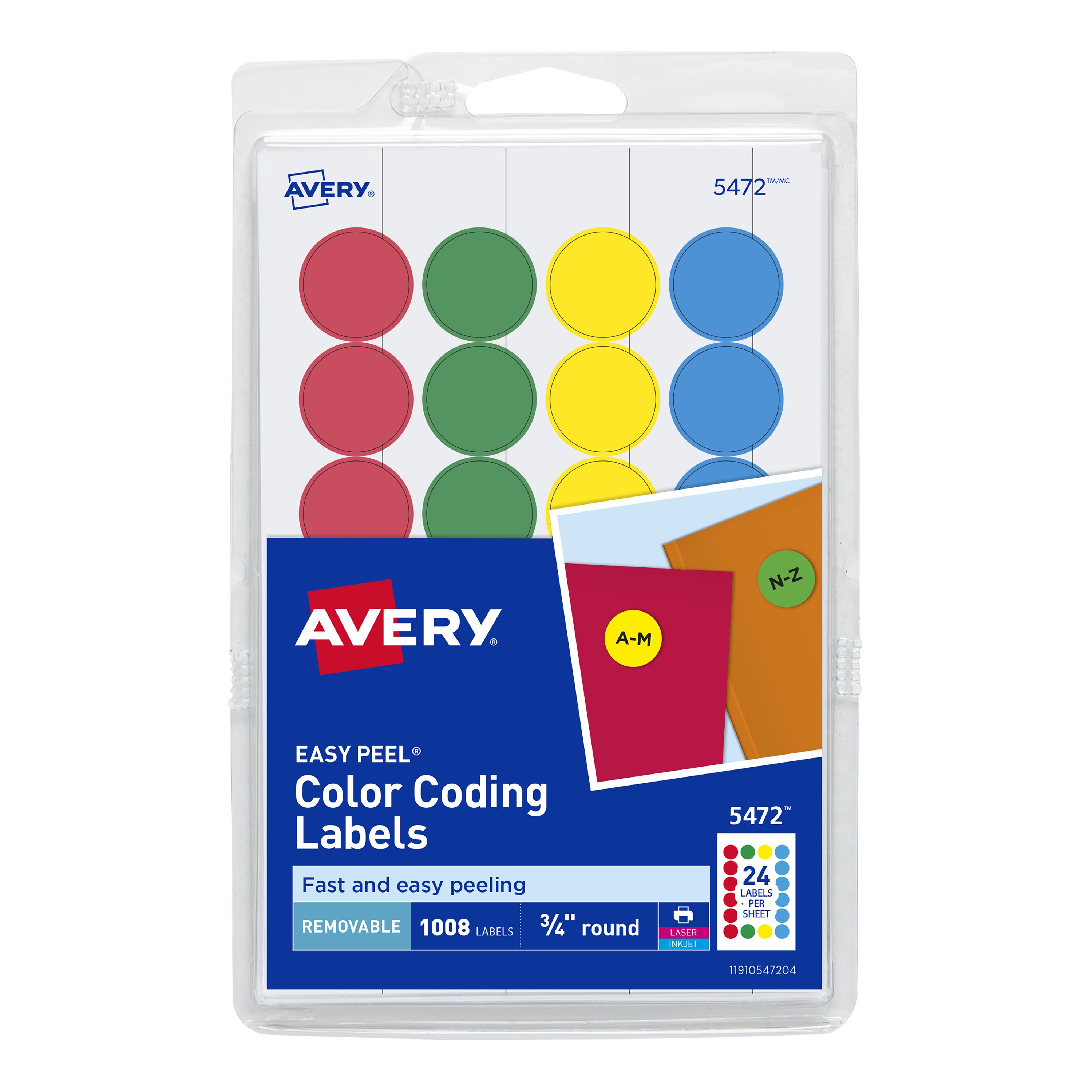
This review looks at the removable labels as color-coding support for dry garden records and indoor organization.
Pros
The upside
- The 3/4 inch round dots add visible color cues to seed cards, packet notes, pouches, and bin faces.
- The removable adhesive supports temporary garden records, active project groups, and seasonal shelf labels.
- The large label count gives a deep supply for seed-starting, plant-care, harvest, and storage routines.
Cons
The tradeoffs
- Round color dots still need written labels or a simple color key nearby.
- Adhesion depends on a clean dry surface and may loosen on textured or dusty materials.
Who it is for
Fit and feel
Good match:
These dots fit gardeners who already use seed cards, shelf bins, clear pouches, plant-care notebooks, or drawer organizers. They add a quick marker without rewriting the whole label.
They are also useful during seasonal cleanup. Empty pouches, bins, and cards can be marked for refill, review, or storage before everything returns to the shelf.
What to know:
Color needs a written label or key to stay clear over time. A dot by itself can be forgotten after the garden pace changes.
The removable adhesive supports temporary marking. Use permanent labels, printed tape, or written tag cards for storage that needs a long fixed name.
Where to check it
Check Avery 5472 Removable Color Coding Labels
Open the current merchant listing if the buyer fit and tradeoffs still line up.
- Amazon opens the Avery 5472 product page.
Breakdown
Full review
Color cues for garden records and refills
Avery 5472 Removable Color Coding Labels give garden records and storage pieces a quick visual cue. The round dots can mark seed cards, packet sleeves, drawer trays, pouch fronts, shelf bins, notebook pages, and plant-care refill groups.
Color helps when a station holds many small pieces. A red dot can mark current attention. A green dot can mark herbs. A yellow dot can mark labels that need a date. The key can stay simple and visible.
Where it fits
Use these labels on dry indoor surfaces such as index cards, plastic sleeves, file tabs, seed packet notes, pouch fronts, storage boxes, and bin label cards. They can help a gardener sort tasks by crop group, bed area, month, refill type, or project stage.
The removable adhesive is useful when the meaning changes through the season. A packet group can move from planned to planted, a card can move from active to archived, and a pouch can shift from labels to clips after a reset.
Setup notes
Make a tiny color key before using a full sheet. Keep it beside the seed shelf, drawer, or notebook so everyone using the station can read the key.
Press the dots onto clean dry surfaces. Dust, rough plastic, fabric texture, and damp paper can weaken adhesion. For bins that sit near water, place the dot on a protected card, sleeve, or dry label face.
Good match
These dots fit gardeners who already use seed cards, shelf bins, clear pouches, plant-care notebooks, or drawer organizers. They add a quick marker without rewriting the whole label.
They are also useful during seasonal cleanup. Empty pouches, bins, and cards can be marked for refill, review, or storage before everything returns to the shelf.
What to know
Color needs a written label or key to stay clear over time. A dot by itself can be forgotten after the garden pace changes.
The removable adhesive supports temporary marking. Use permanent labels, printed tape, or written tag cards for storage that needs a long fixed name.
Bottom line
Avery 5472 Removable Color Coding Labels are a simple supply for organizing garden records and refills. They help cards, pouches, bins, and packet notes carry a visible status mark during seed-starting, plant-care, and shelf reset routines.